“I grew up in Council Bluffs. I spent some of my elementary years in Colorado Springs and then came back, and I graduated from Abraham Lincoln in 1984. Our family had a contracting business, so growing up, if there was work to be done, you put your boots on and went. We got everything we needed and usually everything we wanted, but the expectation was that you worked.
After high school, I went to Idaho State University and played football. I was out there for four years and played center the last. I got a degree in business with an emphasis in marketing. When I finished school, I applied for a job at the Idaho National Engineering Laboratory. I got the call that my clearance went through and that they were going to fly me out. Then Congress cut the project. So I was hired and fired and never left home.
I came back and worked in the family business. One of the upsides of that was I got to spend a lot of time with my grandfather. He was the Fire Chief in Council Bluffs. I would pick him up in the morning, we’d go have coffee, and during baseball season I’d take him home so he could watch the Cubs. I got to know him really well and hear about his career, his time in the Navy during World War II, and how much he loved the fire service.
When I got engaged, he told me, “You’re going to get married now, so you need something steady.” The fire department was testing, and he told me I needed to go take the test. I didn’t think much about it at first, but after hearing it every day, I finally said, “Okay, grandpa, I’ll go take the test.”
I was hired in Council Bluffs in 1993. There were two of us in the class, me and Jim Pingel Our academy was about three weeks. I had no fire training and no medical training, so everything was brand new. I was assigned to Engine 21 in the West End.
It was a small department, but it was very close. The guys I worked with were fantastic. A lot of them were Vietnam veterans. They had that mentality where they always had your back and made sure you were taken care of. Doyle Minor and Dan Rhodes were two of the guys who really took me under their wing. They were great firemen, but more importantly, they were great people.
I hadn’t really thought about leaving, but guys there told me Omaha was hiring and that I should apply. I tested in 1995 and was hired in April of 1996.
When I got to Omaha, I was assigned to Station 21 and worked for Harvey Humphrey. Harvey was a great captain and a great mentor. There was no wasted movement with him. He would sit down over a cup of coffee and just talk through things. That was how he taught. Looking back, I was very fortunate to have him early in my career.
After my candidate year, I went to paramedic school. That was kind of a double-edged sword for me. I’m glad I did it, because there were times when that training made a difference and gave somebody’s family have more time with a person. But there were also times I wish I had never done it. I promoted to Driver, then to Captain, but then again, I was a paramedic.
I spent a lot of years on medic units. Med 5 was probably the toughest assignment I had. We stayed busy. It was a tough area, and it wears on you. At that time, you didn’t talk about stress. You just dealt with it. Looking back, I didn’t deal with it very well.
I had a bad attitude for a number of years. I worked all the time, even on my days off. I would leave the fire station and go to work, come home for a little bit, and then go back to the station. That was my choice, but it wasn’t healthy. It put a lot on my wife and my family.
I made a conscious decision to get away from that environment, and I bid Engine 65. That was the farthest place away from Med 5 that I could get, and that was the reason I went there. I had good people out there. Danny Gates was driving for me, Ray DeLoa [Sr.] was on the back, and we had a good mix of runs.
It took some time. There were times I wasn’t the easiest person to be around. I can say that now. I had to come to the realization that the only one that was miserable was me. Once I figured that out, I started to enjoy the job again. It felt like being a kid again, like they were actually paying me to do this.
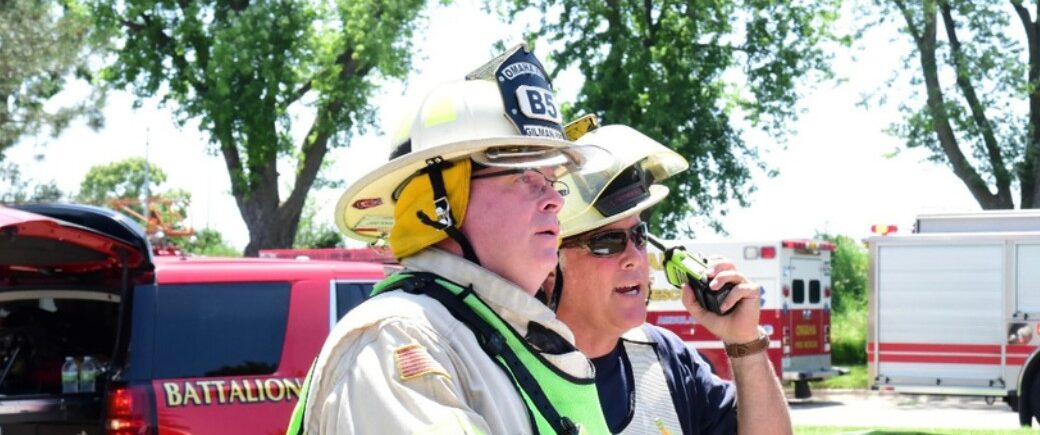
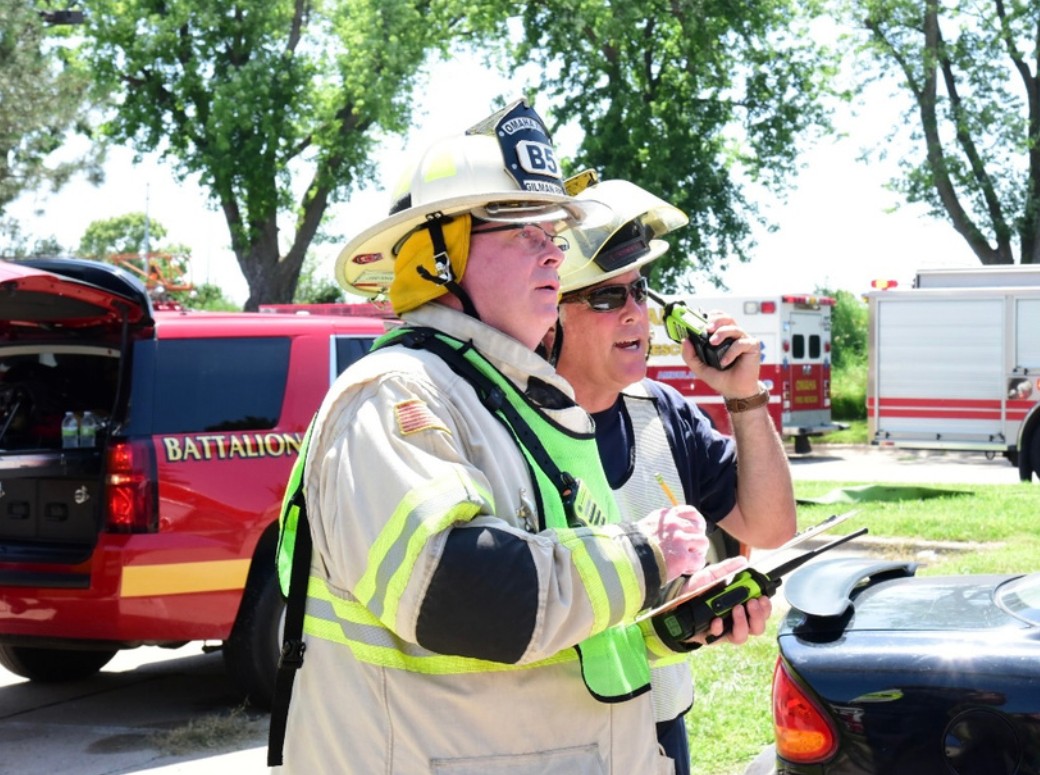
I was promoted to Battalion Chief in 2014. That was a big transition for me. You go from being task-driven to having to step back and look at the bigger picture. I made mistakes early on, but I learned from them.
There was a time where I got into it with a firefighter on a scene. We were both right and we were both wrong. Afterward, I had to take a step back and look at myself. That situation made me better. It forced me to trust people and stay in my lane.
As a Battalion Chief, I tried to take care of our people, especially on the EMS side. I knew what it was like to be on those medic units. I started tracking where people were assigned and how often they were on the squad. We built a system so people could see where they stood and we could try to give them breaks when they needed it. If I ever had a chance to make things better for somebody else, I was going to try.
A lot of that comes from my father and my grandfather. They were strong individuals with a strong work ethic. You figure out what needs to be done and you get it done. Sometimes you ask permission, sometimes you just go.
I’ve been fortunate throughout my career to be around good people. Even when I had a bad attitude, I was still surrounded by people who were good at the job and good to work with.
I think we’ve got really good people coming up now. You always hear about what younger firefighters learn from older ones, but I’ve learned a lot from younger guys too. They’ve forced me to adjust and get better.
Looking back, I regret that I allowed myself to have a bad attitude for as long as I did. It made things harder than they needed to be, and it affected people around me. I regret the time I missed with my family and the stress it put on my wife.
At the same time, the job has given me a lot. It gave me the opportunity to do things I wouldn’t have been able to do otherwise. It gave me relationships and experiences that matter. When I changed my attitude it was that I had to come to work anymore, but I wanted to come to work. That’s how I’ve felt, especially the last few years.
My goal is just to leave the job in a better place than I found it. If some of the mistakes I made or the things I went through can help somebody else, then it’s worth it.”


Comments